Setting up a temporary office often involves dozens of purchasing decisions. Printing equipment is one area where ownership may not always be necessary. Choosing a Printer on Rent can make sense when the office duration, print volume or future requirement remains uncertain.
For companies establishing temporary operations in DLF City, Gurugram, Haryana, the comparison should go beyond the purchase price.
Start with expected monthly printing.
A small administrative team producing occasional documents has very different requirements from an operation printing hundreds of invoices, reports or forms each day. Selecting the wrong machine can result in slow output, excessive consumable costs or unnecessary capacity.
Buying provides ownership and can work well for stable, long-term requirements. The organization can standardize equipment and retain the asset for future use.
However, ownership also introduces responsibilities such as:
- Maintenance
- Toner procurement
- Repairs
- Asset tracking
- Upgrades
- Storage or disposal
Rental may suit project offices, temporary branches, construction-site offices, short-term corporate operations and teams whose printing needs may change.
When comparing options, evaluate the total cost over the intended period.
Suppose an office will operate for eight months. Compare the purchase cost, expected consumables, maintenance and residual value with the complete rental expenditure for those eight months.
The rental quotation should also be examined carefully.
Ask whether toner or cartridges are included, whether there is a monthly print allowance, how excess printing is charged and what happens if the machine develops a fault.
Printer type matters too.
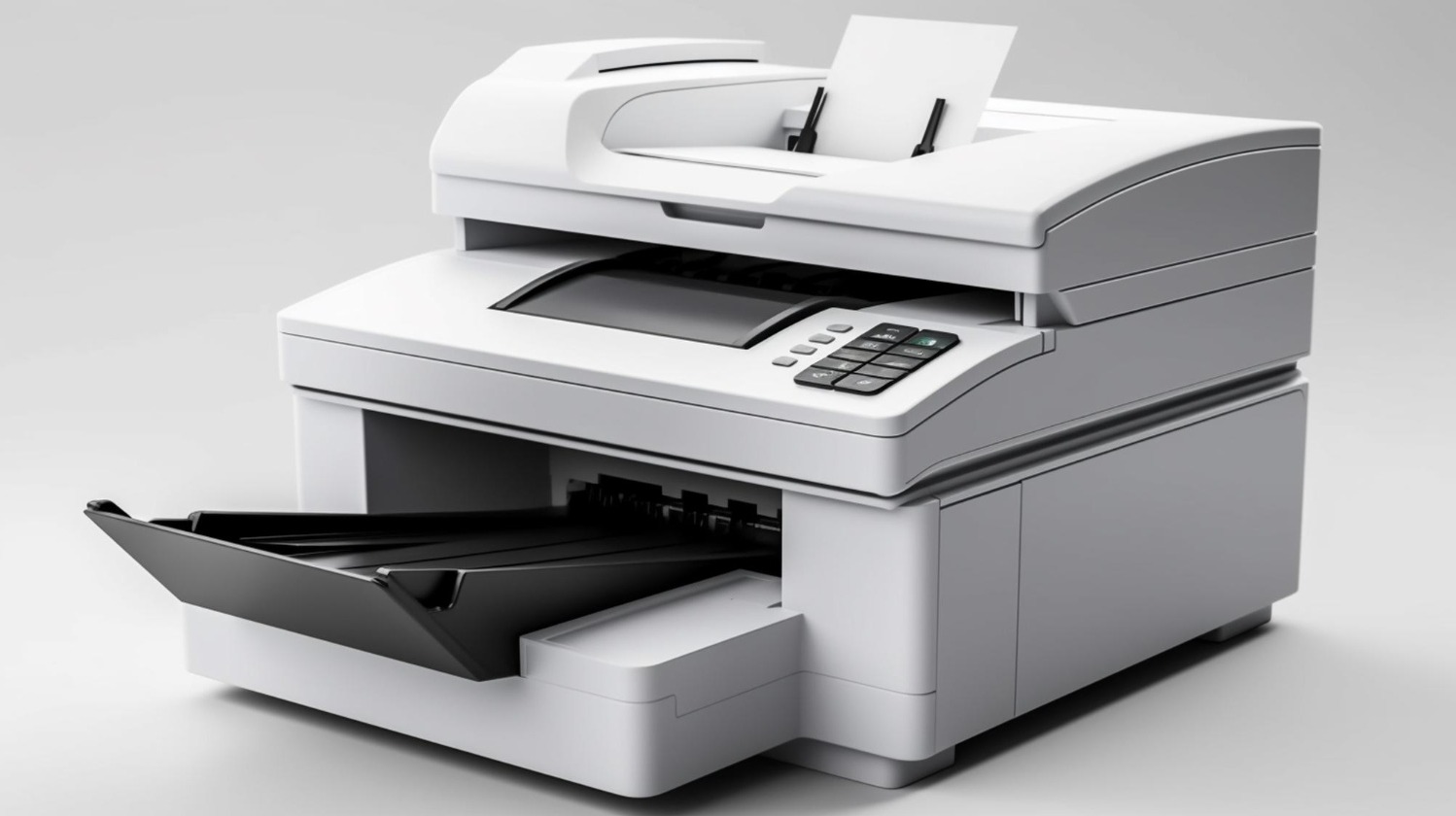
A monochrome laser printer may suit high-volume text documents, while teams producing marketing material may require colour output. Multifunction machines can combine printing, scanning and copying where space or workflow efficiency matters.
Network compatibility should be checked before installation. Employees may need to print from multiple laptops, desktops or mobile devices, so the selected machine should fit the office's existing network environment.
US IT Services can be considered by organizations evaluating temporary IT equipment requirements in the Gurugram region, but businesses should still compare specifications and contractual terms against their actual workload.
The central question is not whether renting or buying is universally better.
It is how predictable the requirement is.
For a permanent office with stable printing needs, ownership may be appropriate. For temporary or changing operations in DLF City, rental can provide greater flexibility while reducing the need to manage another long-term office asset.