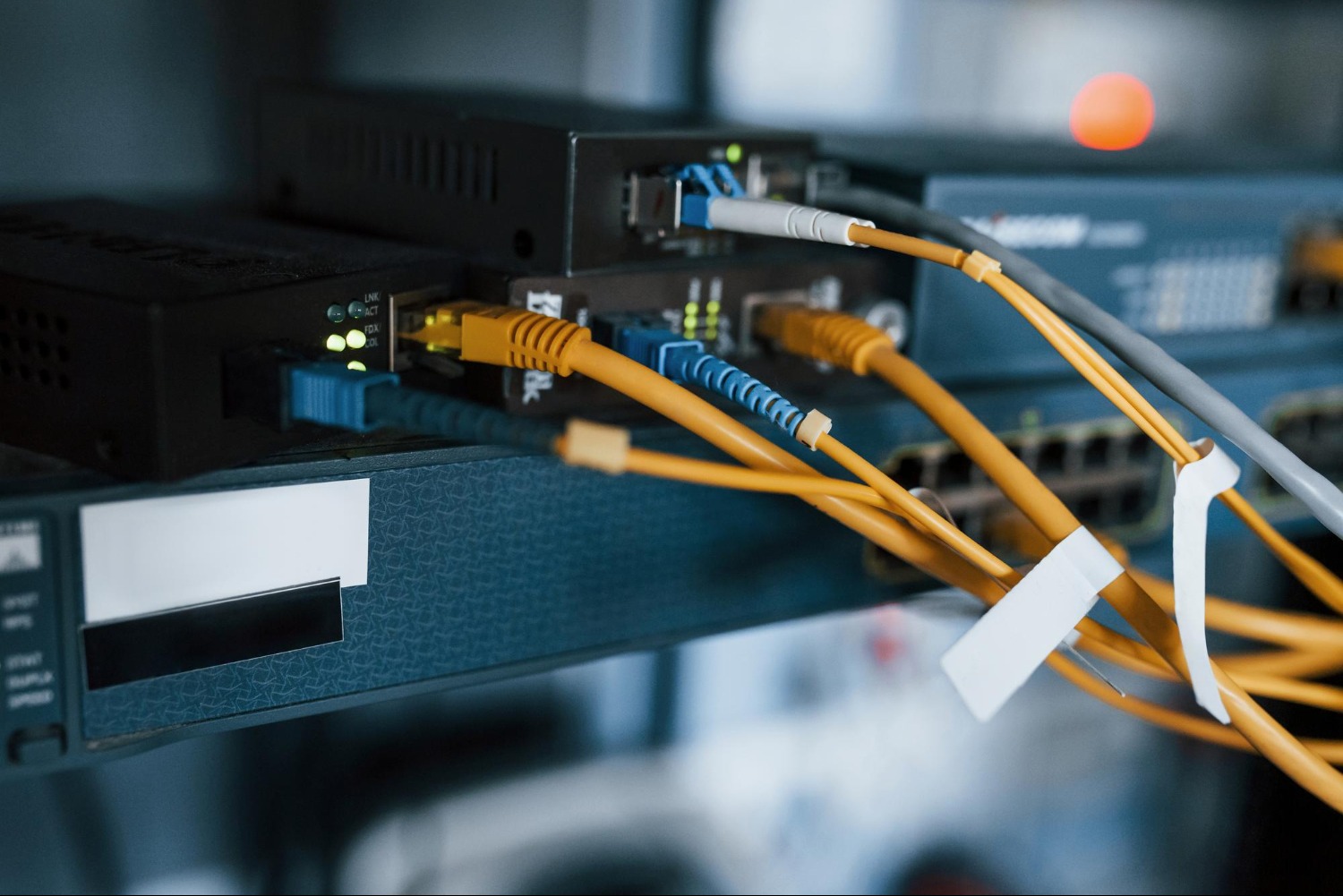
A new office cannot function effectively when the network is treated as an afterthought. Internet access, internal connectivity, wireless coverage and device communication all depend on suitable infrastructure. Businesses considering Network Equipment on Rent should therefore evaluate performance, compatibility and support rather than comparing equipment quantities alone.
For new or temporary offices in Palam Vihar, Gurugram, Haryana, the assessment should begin with the number of users and devices expected on the network.
Twenty employees with basic browser usage create a different network load from a technology team transferring large files, conducting frequent video meetings and connecting multiple test devices.
Create an inventory of expected endpoints, including:
- Laptops and desktops
- Smartphones and tablets
- Printers
- IP phones
- Cameras
- Servers
- IoT devices
- Guest devices
Then consider the office layout. Walls, floor area, meeting rooms and workstation density can affect Wi-Fi coverage. Simply increasing the number of access points without planning their placement does not necessarily improve network quality.
Businesses should also check whether rented equipment is compatible with existing infrastructure. Routers, switches, wireless access points and other components need to work together within the intended network design.
Security is another important evaluation point.
Temporary equipment should not mean temporary security standards. Businesses may require network segmentation, guest access, firewall controls, secure administrative credentials and appropriate configuration management.
Before choosing a provider, ask what is included in the rental arrangement. Does the service cover only hardware delivery, or are configuration and installation available? What happens if a critical component fails? How quickly can replacement equipment be supplied?
These questions are particularly important when network availability affects daily business operations.
Rental duration should also match the office plan. A company occupying a temporary workspace for six months may benefit from avoiding permanent infrastructure purchases. A long-term office with stable requirements may eventually find ownership more suitable.
The evaluation therefore involves three layers: technical suitability, operational support and commercial fit.
Businesses in Palam Vihar should document expected users, office layout, applications, internet requirements and rental duration before requesting equipment.
This makes quotations easier to compare because providers are responding to the same defined requirement.
Network rental should ultimately support continuity rather than merely supply hardware. When equipment capacity, configuration and service responsibilities are clear from the beginning, a temporary or expanding office can establish reliable connectivity without unnecessarily committing to infrastructure it may not need permanently.